
Odimmegwa Johnpeter/Abuja
The National Information Technology Development Agency (NITDA) has challenged young Nigerians to take the lead in developing home-grown artificial intelligence solutions capable of addressing the country’s unique socio-economic challenges. This was contained in a piece written by James Ishaku.
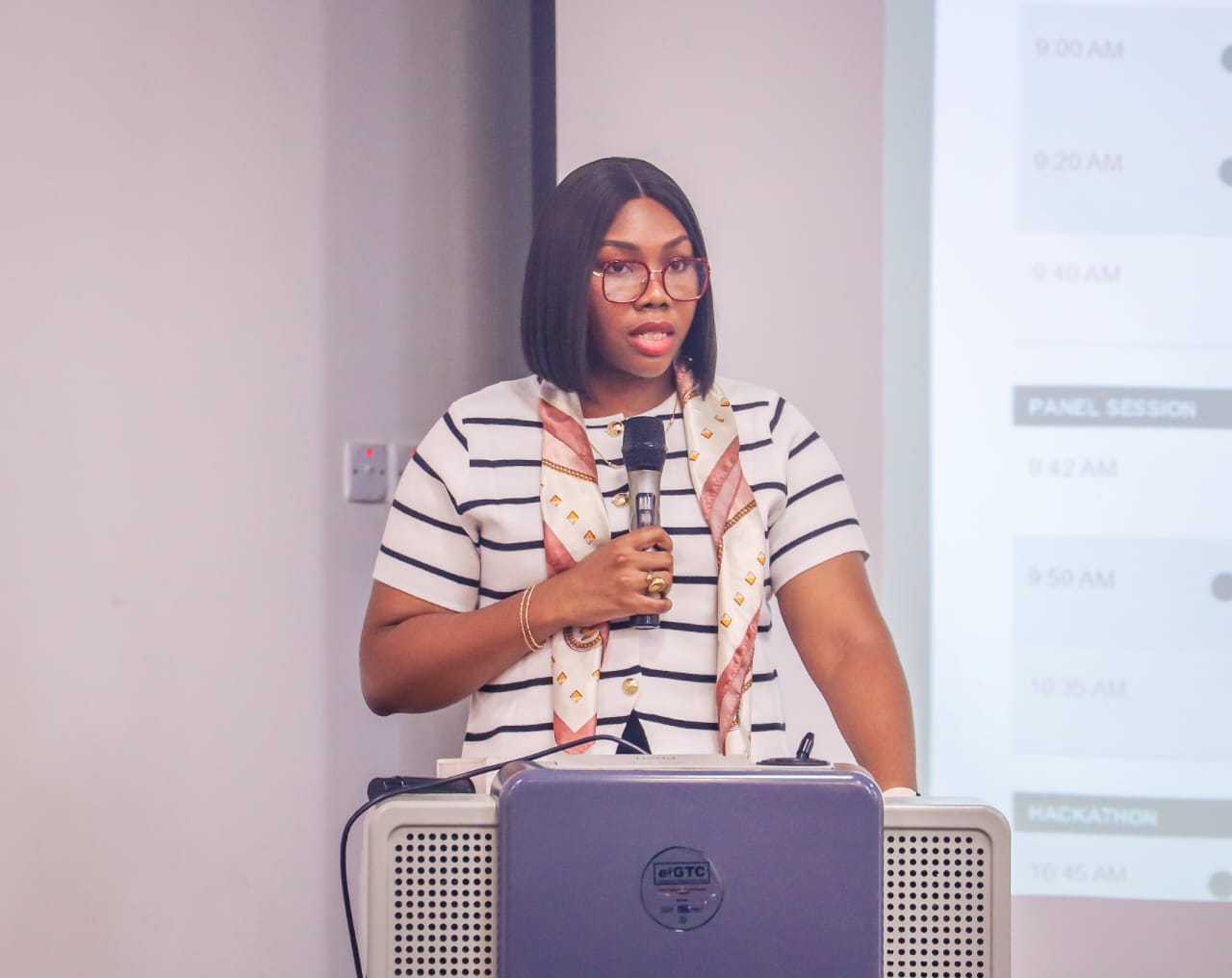
According to the piece, delivering the Keynote address at an Artificial Intelligence Hackathon organised by NITDA in partnership with VibeCode Africa in Abuja, the Director General of NITDA, Kashifu Inuwa, represented by the Acting Director of Digital Literacy and Capacity Building, Dr. Ahmed Tambuwal, who spoke through Mrs. Udoka Mannie said Nigeria’s youthful population presents a major opportunity for innovation and digital transformation.
He said the gathering provided a strategic platform for participants from diverse backgrounds to collaborate and create practical AI-driven solutions tailored to Nigeria’s realities.
According to Inuwa, with more than 60 per cent of Nigerians under the age of 25, the country possesses one of the youngest populations globally, positioning it to benefit significantly from emerging technologies.
“As you can see, this room is filled with young people. This represents a powerful opportunity for innovation and digital skills development,” he said.
He noted that artificial intelligence is already reshaping economies, governance systems and societies worldwide, stressing that the key question for Nigeria is whether it would actively shape AI for national development or remain a passive consumer of foreign innovations.
Inuwa said NITDA’s mandate remains the development and regulation of information technology in Nigeria while ensuring that technology serves as a catalyst for growth rather than mere consumption.
He explained that the agency’s Digital Literacy and Capacity Building Department is focused on building a digitally skilled population capable of participating meaningfully in the global digital economy.
The NITDA boss highlighted the agency’s Digital Literacy for All initiative (DL4ALL) as one of its flagship programmes aimed at equipping millions of Nigerians with critical digital skills, adding that it aligns with the Federal Government’s target of achieving 95 percent digital literacy by 2030.
“Beyond literacy, we are now moving into capability. It is one thing to use technology, but another thing entirely to build with it. Today, we are challenging you to build,” he said.
He urged participants to focus on impact driven innovation rather than prizes or applause, noting that Nigeria has no shortage of pressing challenges requiring technological intervention.
Inuwa identified healthcare access in rural communities, inefficiencies in public service delivery, agriculture, education, financial inclusion, and misinformation as sectors where AI can deliver transformative solutions.
The DG also stressed the importance of inclusion, ethics, and data protection in the development of AI systems.
“As we explore AI, we must be mindful of ethics, data protection, and inclusion. Building responsibly is just as important as building brilliantly,” he said.
He commended Vibe Code Africa for partnering with NITDA to host the hackathon, describing such collaborations as critical to driving innovation at scale.
Encouraging participants to work together, experiment, and learn quickly, he said the future of artificial intelligence in Nigeria would not be imported but created by local innovators.
“The future of AI in Nigeria will not be imported. It will be built by people like you in rooms like this,” he added.
In her earlier opening address, the founder of VibeCode Africa, Lola Adey, has urged young Nigerians to harness artificial intelligence to solve pressing national challenges, declaring that Africa must become a centre of innovation rather than a talent reservoir for foreign economies.
Adey said this year’s edition of the hackathon would depart from previous formats where participants were assigned sectors such as agriculture or healthcare. Instead, teams were asked to identify challenges they personally experience in their communities and develop solutions around them.
“We’re not going to give you any industry. We want you to dig deep into yourselves. What are the problems you are facing? What are the problems your brothers and sisters are facing? What are the issues you notice when you walk around?” she said.
She cited persistent electricity shortages, insecurity, and social service gaps as examples of problems that innovative youths could begin to tackle through technology.
According to her, the goal of the programme is not merely to gather young people for discussions but to create pathways that transform lives through entrepreneurship, employment, and global opportunities.
“With artificial intelligence, you now have something in your hand that you can use to actually solve problems. You don’t have to wait for anybody anymore,” she said.
She encouraged participants to remain focused, humble, and collaborative, noting that the event could connect them to future co-founders, investors, or employers.
END

